











AI Edge for
Viksit Bharat
AI could unlock over USD 550 billion in economic value for India in the five sectors - energy, education, agriculture, healthcare, and manufacturing by 2035.
Potential value unlocked
*At nominal level
As India progresses towards the vision of Viksit Bharat 2047, the breadth and complexity of its development agenda call for a decisive shift in productivity, inclusion, and resilience. Artificial intelligence presents a powerful opportunity to leapfrog traditional limitations—by integrating systems, enabling learning at scale, and driving smarter, data-led decision-making across the sectors most critical to India's growth.
This report explores how AI can be deployed in a systematic and responsible manner across agriculture, manufacturing, healthcare, education, and energy to accelerate inclusive, sustainable, and future-ready development.



From AI adoption
to real impact
India has built one of the world's most diversified and resilient technology ecosystems. It ranks as the third-largest start-up market globally¹, serves as a core hub for IT and digital services, and hosts more than 2,000 Global Capability Centres supporting multinational enterprises. Public-led investments in skills, research and innovation have strengthened this base, while new initiatives are extending India's reach into frontier areas such as quantum computing through the National Quantum Mission.
This ecosystem is central to the Viksit Bharat agenda², which aims to raise India's long-term growth rate beyond 8%. Artificial Intelligence has been identified as the critical enabler of this shift.

The 3A2I framework
To propel India on the path of using AI to drive equitable growth at scale leveraging its evolving AI infrastructure and ecosystems, PwC India recommends the 3A2I architecture; a systemic approach wherein governments, civil society and the private sector make AI tools and platforms accessible, acceptable, assimilative (3As) within different segments of society before implementing and institutionalising (2Is) the relevant initiatives associated with the same.
Key sectors of transformation

Agriculture
Employing nearly half the workforce and contributing about 18% of GDP⁴, India's agriculture remains the nation's backbone. With 86% of the country's farmers being small and marginal farmers holding less than a hectare of land, the sector faces productivity challenges with yield gaps of 40-50% compared to global averages.


Energy
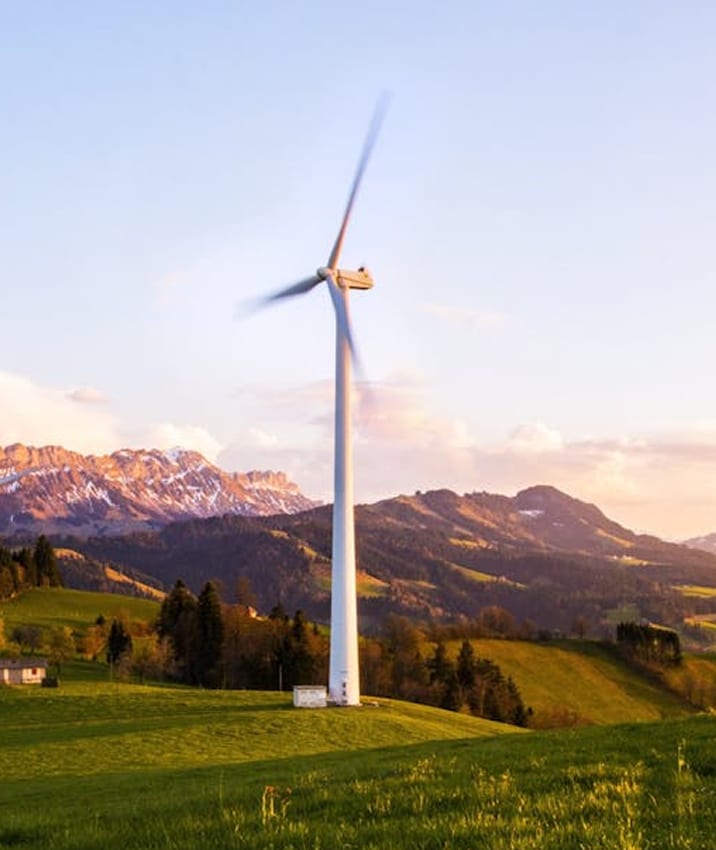
A highly efficient and productive energy sector is going to be vital to achieve Viksit Bharat goals. Moreover, the sector's transition towards a green mix will be crucial to support achievement of climate goals and improve the quality of rural livelihoods. Expanding decentralised renewable energy will unlock growth opportunities across businesses established in rural India.

Healthcare
Healthy individuals will be more productive, miss fewer workdays, and be positioned to contribute consistently to the high-speed economy. Only by achieving universal health coverage, reducing under-five mortality to single digits, ensuring mental healthcare of its youth, and reducing burden of lifestyle diseases will India stand to successfully unlock its demographic dividend.
Manufacturing
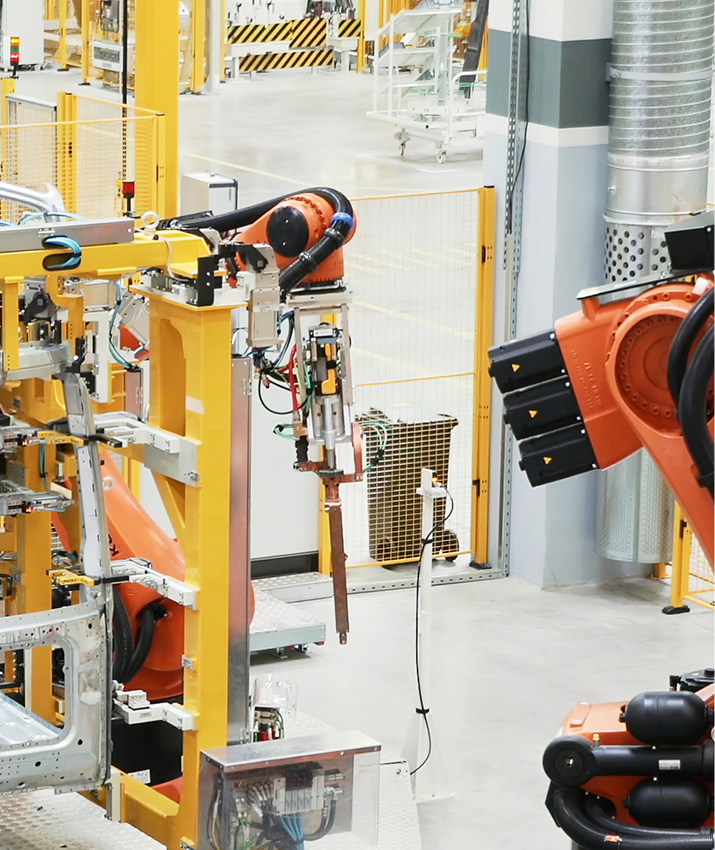
Largely comprising micro-, small- as well as medium-sized enterprises, accelerated growth in manufacturing sectors such as semiconductors, solar panels, high-tech telecommunications, and electronics, among others, with digital technologies and AI will not only help India become self-reliant but also significantly enhance its integration into global value chains within these strategic industries.
The AI-Edge framework
Analysis of pilot projects conducted across different parts of India and across five sectors shows that integrating elements of the 3A2I architecture can help the nation move ahead in five key ways. Together, these form the core components of what we call the AI-Edge framework.
Analysis of pilot projects conducted across different parts of India and across five sectors shows that integrating elements of the 3A2I architecture can help the nation move ahead in five key ways. Together, these form the core components of what we call the AI-Edge Framework.
Operational excellence
Smarter, faster and more efficient processes.

Sustainability
Climate-smart and resource-efficient solutions.

Good governance
Transparent and accountable systems.

Resilience
Robust solutions that adapt to change.

Financial discipline
Maximising value and economic returns.

Key takeaway
Distinct from Edge AI, which focuses on where architectures run, the AI-Edge framework is about the economic and social value AI must deliver across sectors. It moves AI from promise to practice by defining measurable outcomes and a structured pathway for deployment at scale.
Our leaders say

This report provides the 3A2I framework that tells you how to make AI equitable in its journey of value creation.
Research and
Insights Hub

This report focusses on a simple but critical idea: the real test of AI's potential is not its capability, it is its ability to reach the last mile.
Energy, Utilities
and Resources

As AI transforms economies globally, 'AI Edge for Viksit Bharat' delves into how India can drive equitable growth through AI. At PwC, this resonates deeply with our purpose - of building trust in society and solving important problems.
Brand, Marketing
and Public Policy


The way forward
What is development, if not about expanding people's freedoms and opportunities? If AI can be extended to more people, it will give them a voice, opportunity, and advance equality.
As AI transforms the world, India, too, can harness its potential to pave the way to a Viksit Bharat that is developed, fair, inclusive, and equitable. In the vision of Viksit Bharat, AI is not simply a tool for growth: it is a catalyst for reimagining our future.
Towards a Viksit Bharat, shaped by India, for India.



Get in touch


