










AI and the world
AI is fast becoming an engine powering the future of governments and industries. Applied with intent, AI can reshape nations at scale, empowering people across geographies and socio-economic divides to do more and do better. We believe that if governments in emerging markets act decisively, they can convert demographic momentum, rapid digital adoption, and the absence of legacy constraints into a powerful advantage, allowing them to leapfrog traditional development pathways.
A recent PwC report, 'AI works for governments: A digital sprinters report', notes that AI can deliver tangible public value across three fronts: improving government efficiency and fiscal health, strengthening public goods and service delivery, and accelerating economic growth and prosperity⁵. Deployed at scale, AI can contribute directly to GDP growth, productivity gains, and higher household incomes.
Viksit Bharat and AI
Artificial intelligence is at the core of India's Viksit Bharat vision. Towards this end, the government has already committed USD 1.15 billion to the IndiaAI Mission to build national capability across infrastructure, data, talent, and adoption, alongside approving 10 semiconductor plants to strengthen the electronics ecosystem.
*Based on govt estimates
Indian government's commitment towards IndiaAI Mission
The Viksit Bharat agenda is anchored in five cornerstone sectors: Agriculture, education, energy, healthcare, and manufacturing. These sectors align closely with the government's four core pillars focussed on:
Yuva
youth
Garib
underprivileged
Mahila
women
Annadata
farmers
Key strengths and gaps across sectors
These key sectors contend with deep, persistent challenges that constrain productivity, access, and outcomes. Many of these bottlenecks, however, are well suited to targeted AI interventions. What follows is a high-level overview of the key strengths and structural gaps across these critical sectors, providing context for where AI can create the most significant impact.
Employing nearly half the workforce and contributing about 18% of GDP, India's agriculture remains the nation's backbone.
Calculations reveal the gross value addition (GVA) of agriculture has to grow from an estimated USD 637 billion in FY25 to USD 2359 billion in FY47 to meet Viksit Bharat ambitions. (See Figure 1) Predominantly composed of small and marginal farmers holding over 86% of operational land, the sector faces productivity challenges with yield gaps of 40-50% compared to global averages.
With food demand expected to rise by 70% by 2050, accelerating integration of digital technologies including AI is vital for productivity gains and sustainability⁶.

Figure 1: India's expected agriculture growth: FY25-FY47
Notes: FRE: First revised estimates | PE: Provisional estimates | T: Targeted | All figures cited are on a nominal basis | *Source: PwC analysis
As the empowerment engine for Viksit Bharat, education must expand access and quality across primary to higher education.
The Economic Survey 2023-24⁷ noted that only 51.25% of graduates were employable, while the Economic Survey 2024-25⁸ revealed that over 53% of graduates and 44% of postgraduates are employed in "elementary" or "semi-skilled" jobs, not justifying their education. It added that only 8.25% of graduates are employed in roles matching their educational qualifications.
Increasing gross enrollment ratios, especially among disadvantaged groups, and investing more in multidisciplinary and skill-oriented programmes will transform India's demographic dividend into a skilled workforce, reducing urban-rural and gender disparities.
That will also exponentially expand the size of the budgetary allocations to education over the next two decades (See Figure 2), requiring technologies such as AI to ensure they are meaningfully spent.

Figure 2: India's expected educational expenditure growth: FY25-FY47
Notes: FRE: First revised estimates | PE: Provisional estimates | T: Targeted | All figures cited are on a nominal basis | *Source: PwC analysis
Energy will be a strategic enabler for production across manufacturing and agriculture.
A highly efficient and productive energy sector is going to be vital to achieve Viksit Bharat goals.
Cost and resource efficient universal electricity coverage and consistent supply of high-quality power to all is going to be critical for inclusive growth requiring technologies such as AI to reduce power theft.
Factoring in a healthy mix of renewable and non-renewable energy, reduced power theft and growing awareness within people around sustainable consumption, calculations reveal that total energy consumption in million tons of oil equivalent will grow at a CAGR of about 3% over the next two plus decades. (See figure below).
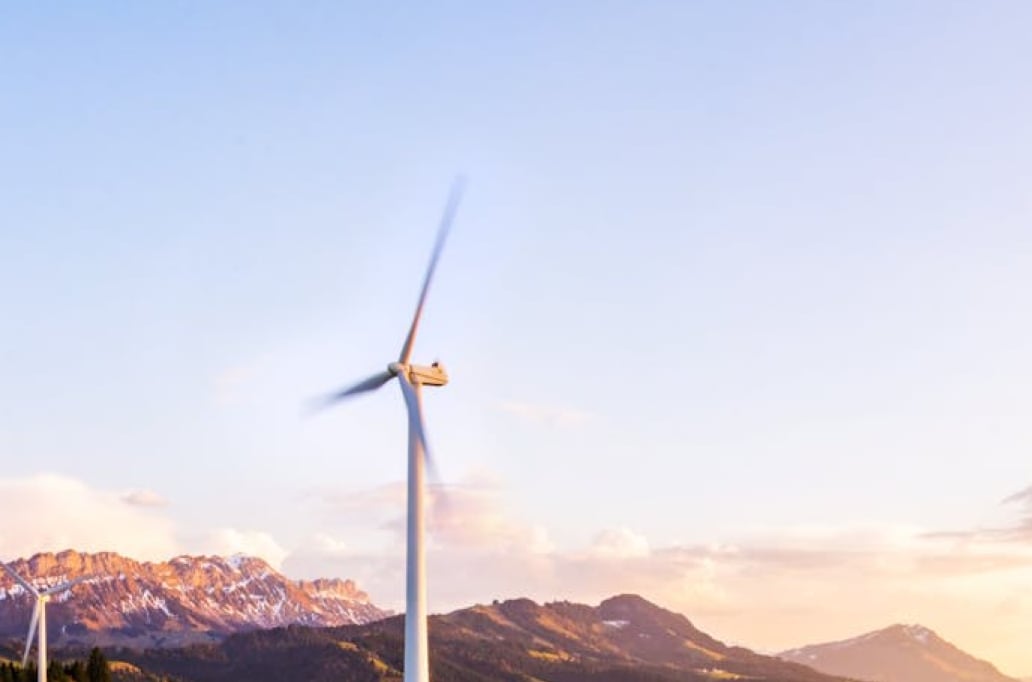
Figure 3: India's expected energy consumption growth: FY25-FY47
Notes: FRE: First revised estimates | PE: Provisional estimates | T: Targeted | All figures cited are on a nominal basis | *Source: PwC analysis
Only a healthy population will be able to engage with growth challenges of a Viksit Bharat.
Healthy individuals will be more productive, miss fewer workdays, and be positioned to contribute consistently to the high-speed economy. Only by achieving universal health coverage, reducing under-five mortality to single digits, ensuring mental healthcare of its youth, and reducing burden of lifestyle diseases will India stand to successfully unlock its demographic dividend.
Healthcare is also going to be vital to generate jobs. Scaled tertiary and super-specialty care, through institutions and medical colleges attached to every district hospital, have the potential to generate high-skill jobs, retain talent, and attract medical value tourism, boosting GDP while making advanced treatment accessible beyond metros.
This is going to require bolder investments supported by technologies such as AI, to make advanced healthcare solutions accessible to all on a scale. Healthcare expenditure is therefore projected to nearly double to 7% of GDP by FY47, reflecting a 10.2% CAGR from FY25 to FY47. (See figure below)

Figure 4: India's expected healthcare expenditure growth: FY22-FY47
Notes: FRE: First revised estimates | PE: Provisional estimates | T: Targeted | All figures cited are on a nominal basis | *Source: PwC analysis
Manufacturing has the potential to create gainful employment opportunities for millions of young, educated youth, helping India extract true dividend from its young demography.
Largely comprising micro-, small- as well as medium-sized enterprises, accelerated growth in manufacturing sectors such as semiconductors, solar panels, high-tech telecommunications, and electronics, among others, with digital technologies and AI will not only help India become self-reliant (Aatmanirbhar) but also significantly enhance its integration into global value chains within these strategic industries.
By prioritising women-led development and skilling millions in STEM and vocational trades, manufacturing has the potential to bridge urban-rural divides as well as slash inequality while elevating per capita incomes.
The growing integration of services and manufacturing sectors will create diverse employment opportunities across the value chain developing value-added products and efficient service delivery, benefiting both urban and rural economies. Yet, making manufacturing count in the journey of Viksit Bharat is not easy. Calculations reveal that manufacturing must grow 15 times over the next 22 years to reach the aspirational target of contributing 25% to India's projected USD 30 trillion economy by 2047. (See figure below)
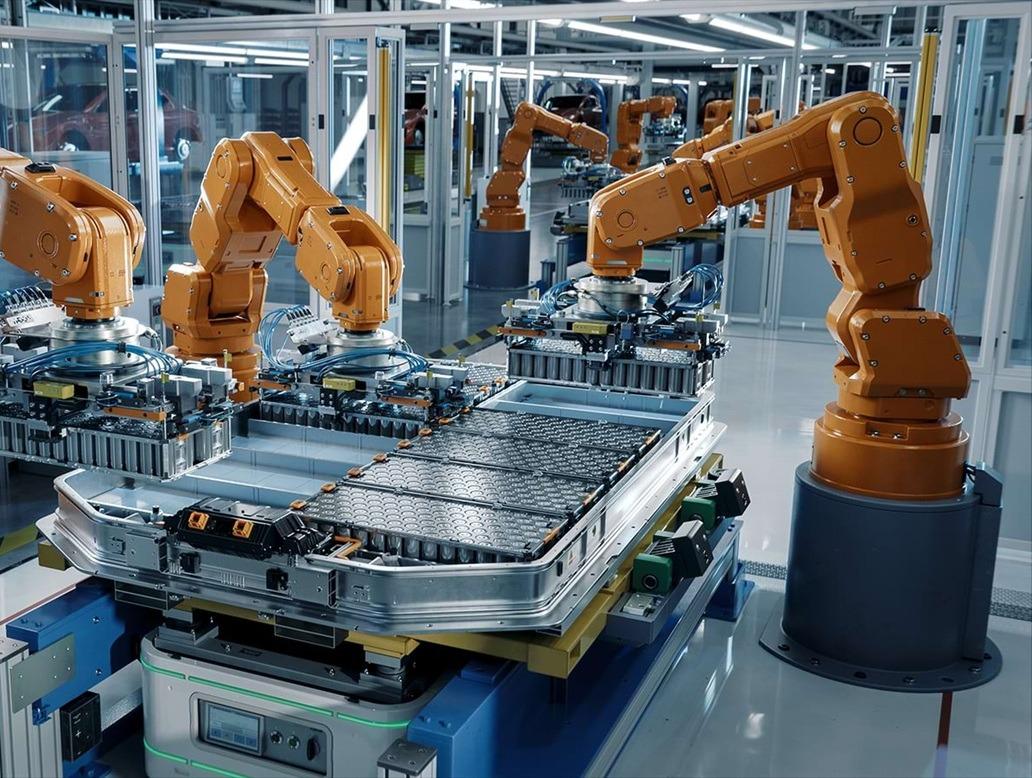
Figure 5: India's expected manufacturing growth: FY25-FY47
Notes: FRE: First revised estimates | PE: Provisional estimates | T: Targeted | All figures cited are on a nominal basis | *Source: PwC analysis


