










Introduction
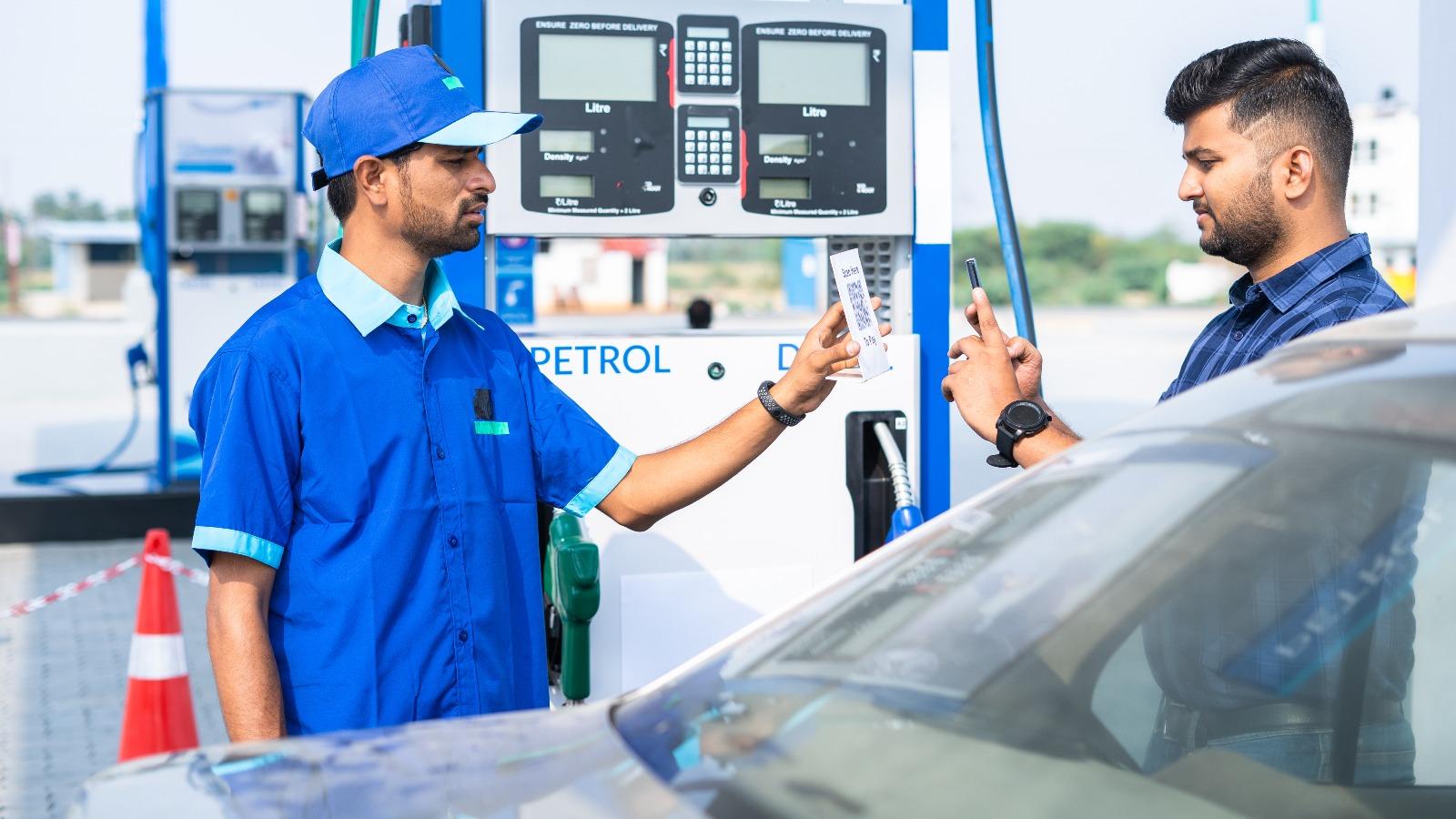
Fuel stations are vital for transportation systems as they handle fuel dispensing. Payments at these stations are conducted manually with handwritten receipts and manual meters, which often leads to heavy reliance on staff and could also lead to delays and errors. In densely populated countries like India, fuel stations face long queues and slow payment processes which often leads to customer delays and revenue loss. Implementing a digital pre-booking system with contactless payments such as UPI, cards, and QR code, and automated fuel dispensers linked to vehicle IDs can streamline refueling while real-time queue monitoring and data analytics improve efficiency and reduce leakage. This automation enhances customer satisfaction, ensures compliance, and boosts station profitability.
To address the complexities and challenges faced by fuel station operations, implementing an automated billing system is essential. Such a system not only streamlines processes but also enhances accuracy, compliance, and overall efficiency. Key considerations include:

Operational challenges and revenue leakage and control gaps
Fuel station operations are complex due to high transaction volumes, multiple payment modes, and reliance on manpower, making manual management challenging as the business grows. Without automation, discrepancies between the amount of fuel dispensed and billed quantities could go unnoticed. Auto billing ensures accurate capture and billing of every transaction, enhancing control and reducing errors.

Compliance and reporting needs
Fuel stations must comply with regulatory requirements such as legal metrology and taxation norms. An automated system simplifies compliance through standardised billing, digital records, and audit-ready reports.
Implementation process
The implementation process ensures seamless automated billing and real-time transaction handling with secure user registration and wallet integration. The system also prioritises data security and reliability, and maintain fast response time for an efficient and smooth user experience. Scalability and robustness will also be key considerations to support the growing demand.
Functional requirements of the automated system
This section outlines the essential features the automated billing system must perform to maintain efficient and accurate fuel transactions:

Non-functional requirements
This section defines the systems needed to maintain secure, reliable, and efficient operation.
Security requirements
The system safeguards transactional and customer data through authentication, authorisation, encryption, and secure access controls.
Performance and scalability
The solution should process transactions in real time and scale easily to handle peak-hour volumes and multiple fuel stations with minimal downtime.
Benefits
Automated systems can handle large transaction volumes while addressing operational complexities and enhancing customer experience. By integrating these advanced technologies, the solution not only improves speed and accuracy but also ensures security and provides actionable insights. Some of the benefits of an automated fuel billing system are:
Faster queue management
This solution processes long queues much faster by eliminating the need for card-based or UPI-based transactions, similar to toll plazas, resulting in reduced waiting times and improved customer satisfaction.
Data and financial transaction security
User data and financial transactions between the application and the wallet are securely encrypted with blockchain technology.
Comparative insights
The solution provides detailed information on fuel consumption and comparative insights over a specified range of days, helping customers monitor their fuel usage patterns, identify potential inefficiencies, and make informed decisions to save costs. Additionally, it tracks vehicle details, including the time and location of fuel station visits. This feature is also useful in cases of security incidents, as it records vehicle activity like the tracking system used at toll plazas.
AI-driven demand forecasting
By analysing past sales, seasonal trends, weather, and other relevant factors through AI, fuel stations can better predict customer demand. This enables optimised fuel inventory, efficient delivery management, proper staff scheduling, and consistently ensures fuel availability which enhances customer service.
Customer satisfaction
The solution’s portability, ease of use, and time-saving features are key drivers of high customer satisfaction.
App-based personalisation
It could also provide personalised experiences for the customers with features like pre-booking, digital payments, real-time queue updates, and notifications.
Loyalty programmes
Such programmes could encourage repeat business by rewarding customers for their purchases and app engagement.
Advanced analytics
It can also provide actionable insights to fuel station management for optimising operations, improving sales strategies, and enhancing decision-making.
Conclusion
The shift towards automated billing systems in fuel stations represents a significant step towards modernising fuel retail operations. By addressing key challenges such as operational complexity, revenue leakage, and payment inefficiencies, this technology streamlines transactions while ensuring accuracy, security, and regulatory compliance. As fuel stations adopt these innovations, they can expect reduced waiting times, optimised resource management, and stronger customer loyalty and pave the way for a smarter, more connected, and future-ready fuel ecosystem.
Author
Rohan Chattopadhaya
Authors


Lorem ipsum dolor sit amet
Lorem ipsum dolor sit amet, consectetur adipiscing elit, sed do eiusmod tempor incididunt ut labore et dolore magna aliqua. Vestibulum lorem sed risus ultricie.
Lorem ipsum dolor sit amet
Lorem ipsum dolor sit amet, consectetur adipiscing elit, sed do eiusmod tempor incididunt ut labore et dolore magna aliqua. Vestibulum lorem sed risus ultricies.


